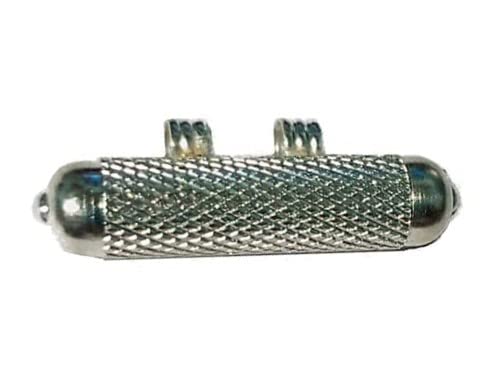
Powerful Amulet
Rudraksha Amulet
An Powerful amulet is a spiritual object believed to confer protection or grace upon its possessor. The word “amulet” comes from the Latin word amuletum, which Pliny’s Natural History describes as “an object that protects a person from trouble”. Anything can function as an amulet; items commonly so used include statues, coins, drawings, plant parts, animal parts, and written words.[1] The word phylactery is sometimes used as a general synonym likewise referring to any unspecified amulet, but also has a specific definition within Judaism. Certain amulets may also qualify more specifically as a devotional article, good luck charm, or even both in rare circumstances, but those categories represent only subsets of Spiritual locket (the proper, inclusive term).
Powerful amulet are sometimes subdivided into two classes: those purported to carry extraordinary properties or impart fortune
Talismans and amulets have interchangeable meanings. Spiritual locket refer to any object which has the power to avert evil influences or ill luck. An powerful amulet is an object that is generally worn for protection and made from a durable material (metal or hard-stone). Both amulets and talismans can be applied to paper examples as well.[3] Amulets are sometimes confused with pendants, small aesthetic objects that hang from necklaces. Any given pendant may indeed be an amulet but so may any other object that purportedly protects its holder from danger.
Ancient Egypt
The use of Spiritual locket (meket) was widespread among both living and dead ancient Egyptians.[4][5]: 66 They were used for protection and as a means of “…reaffirming the fundamental fairness of the universe”.[6] The oldest Spiritual locket found are from the predynastic Badarian Period, and they persisted all the way through to Roman times.[7]
Pregnant women would wear Spiritual locket depicting Taweret, the goddess of childbirth, to protect against miscarriage.[5]: 44 The god Bes, who had the head of a lion and the body of a dwarf, was believed to be the protector of children.[5]: 44 After giving birth, a mother would remove her Taweret amulet and put on a new amulet representing Bes.[5]: 44
Powerful Amulets depicted specific symbols, among the most common are the ankh and the Eye of Horus, which represented the new eye given to Horus by the god Thoth as a replacement for his old eye, which had been destroyed during a battle with Horus’s uncle Seth.[5]: 67 Spiritual locket were often made to represent gods, animals or hieroglyphs.[4][8][5]: 67 For example, the common Spiritual locket shape the scarab beetle is the emblem of the god Khepri.[4][5]: 67
The most common material for such Spiritual locket was a kind of ceramic known as Egyptian faience or tjehenet, but Spiritual locket were also made of stone, metal, bone, wood and gold.[5]: 66 [8] Phylacteries containing texts were another common form of Spiritual locket.[9]
Like the Mesopotamians, the ancient Egyptians had no distinction between the categories magic and medicine. Indeed for them “…religion was a potent and legitimate tool for affecting magical cures”.[10] Each treatment was a complementary combination of practical medicine and magical spells. Magical spells against snakebite are the oldest magical remedies known from Egypt.[11]
The Egyptians believed that diseases stemmed from both supernatural and natural causes.[12] The symptoms of the disease determined which deity the doctor needed to invoke in order to cure it.[12]
Doctors were extremely expensive, therefore, for most everyday purposes, the average Egyptian would have relied on individuals who were not professional doctors, but who possessed some form of medical training or knowledge.[12] Among these individuals were folk healers and seers, who could set broken bones, aid mothers in giving birth, prescribe herbal remedies for common ailments, and interpret dreams. If a doctor or seer was unavailable, then everyday people would simply cast their spells on their own without assistance. It was likely commonplace for individuals to memorize spells and incantations for later use.[12]